Milkweed and monarch butterflies
A monarch caterpillar can eat milkweed and nothing else. Remove milkweed from a landscape and you remove monarchs from it. That is the whole conservation story in one sentence.
An obligate relationship
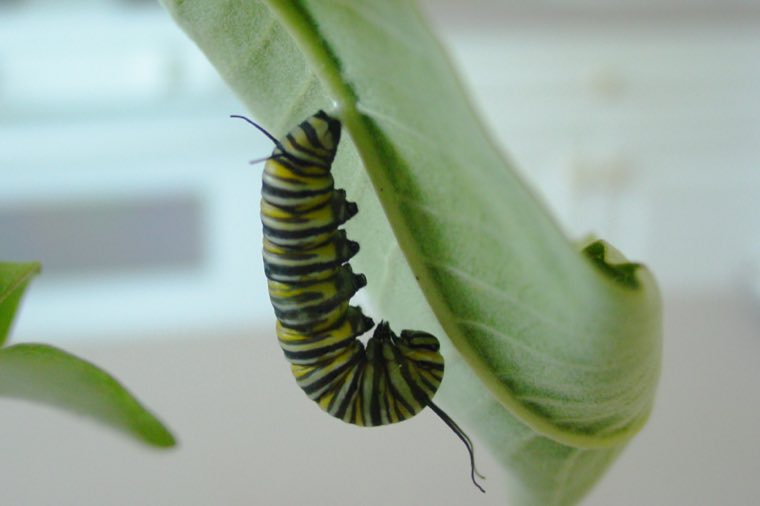
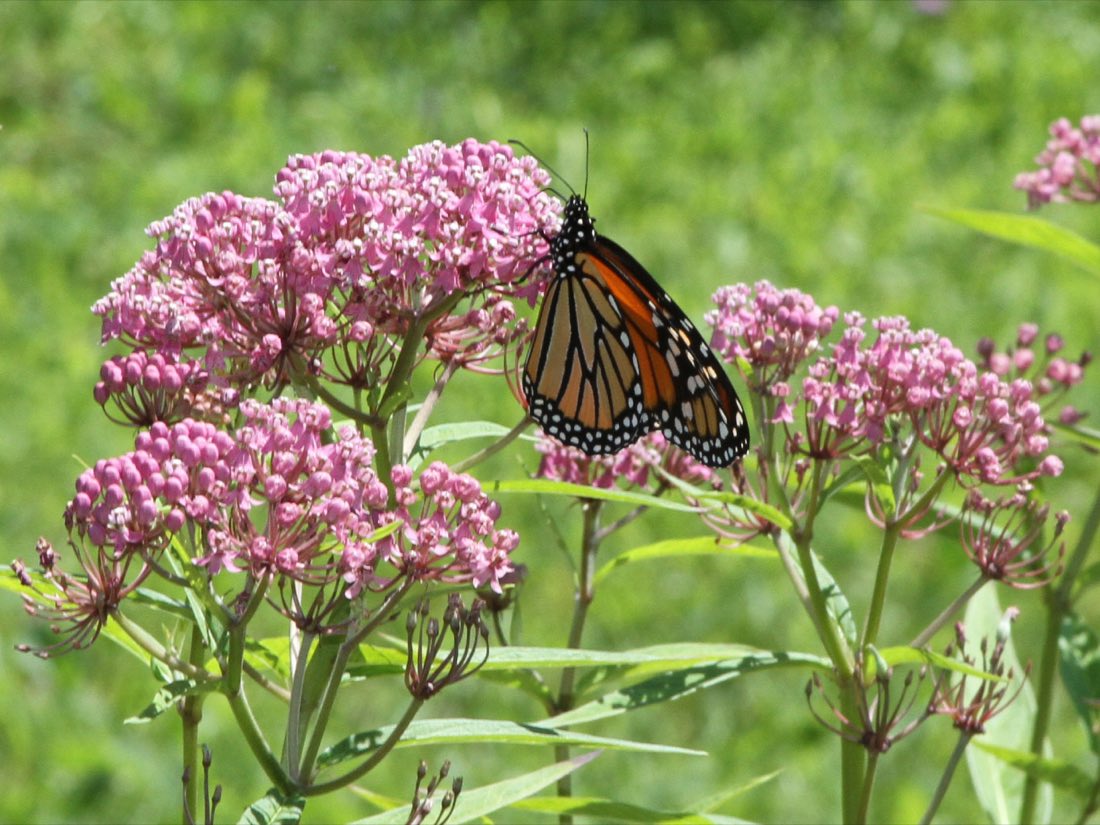
Monarchs (Danaus plexippus) are what ecologists call an obligate specialist: the larvae feed on plants in the milkweed subfamily and nothing else. Adults will drink nectar from almost any flower, but a female will only lay her eggs on milkweed, and a caterpillar offered anything else will starve rather than eat it.
The reason is chemical. Milkweeds defend themselves with cardiac glycosides, or cardenolides, which disrupt the sodium-potassium pump in animal cells and are genuinely poisonous to most vertebrates. Monarchs carry mutations in that pump that make them insensitive, so they can eat the toxin, store it in their own tissue, and become poisonous themselves. The orange and black of an adult monarch advertises exactly that. Milkweed's defense became the monarch's defense.
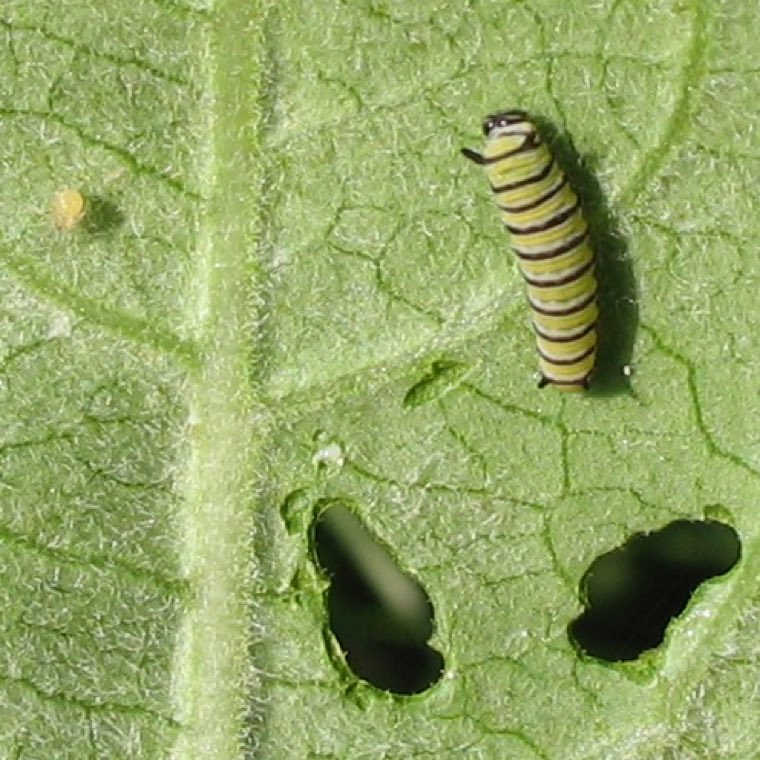
The relationship goes further. Milkweed also defends itself with latex, the white sap that gives the plant its name, which is sticky enough to glue a young caterpillar's mouthparts shut. Newly hatched monarch larvae respond by cutting a small circular trench in the leaf before feeding, which drains the latex pressure from the patch inside the circle. Watch a first-instar caterpillar closely and you will see it do this.
How much milkweed does a garden need?
More than most people plant. The rough figures:
- One caterpillar eats roughly 20 to 25 large leaves to reach pupation, which is most of one small plant.
- A cluster of at least 10 stems is enough to raise a handful of caterpillars through to chrysalis.
- Female monarchs find dense patches far more readily than isolated plants. Ten milkweeds in one bed will out-produce ten milkweeds scattered around a garden.
- Plant two or three species with different bloom and leaf timings, so there is soft, edible foliage from May through September.
If you have room for one species, plant swamp milkweed. If you have room for a patch, plant common milkweed in the East or showy milkweed in the West. If you have a border and want the plants to behave, use swamp milkweed, butterfly weed and purple milkweed together.
Which milkweeds support the most caterpillars
Leaf area and leaf softness matter most. Broad-leaved species carry more larvae per stem, and species that stay soft late in the season carry the important final generation.
| Species | Region | Why it matters |
|---|---|---|
| Common milkweed | East & Midwest | The single biggest contributor to eastern monarch production |
| Showy milkweed | West & Plains | The western equivalent, along every irrigation ditch and riverbank |
| Swamp milkweed | Nearly nationwide | Stays soft late, carries the final generation |
| Narrowleaf milkweed | Pacific states | Backbone of western monarch recovery |
| Green antelopehorn | South-central | Feeds the first northbound generation each spring |
| Antelope horns | Texas & Southwest | In leaf in March when monarchs arrive from Mexico |
| Prairie milkweed | Tallgrass prairie | Broad soft leaves, high larval survival |
The season matters as much as the plant
The eastern monarch migration works in relay. Butterflies that leave Mexico in March lay eggs in Texas and the Gulf states, and it is their children and grandchildren that reach the northern states by June. A fourth or fifth generation, born in late summer, makes the entire return flight to Mexico.
That means two moments carry disproportionate weight:
March and April in Texas, Oklahoma and the Gulf states. The migrating generation is old and running out of time. If antelope horns and green antelopehorn are not up and growing, the relay stumbles at the first step.
August and September everywhere. The migratory generation needs nectar, not leaves, and vast quantities of it, to build the fat reserves for a 3,000 kilometer flight. Late-flowering natives such as goldenrod, blazing star, ironweed and asters are as important in the fall as milkweed is in spring.
The western population
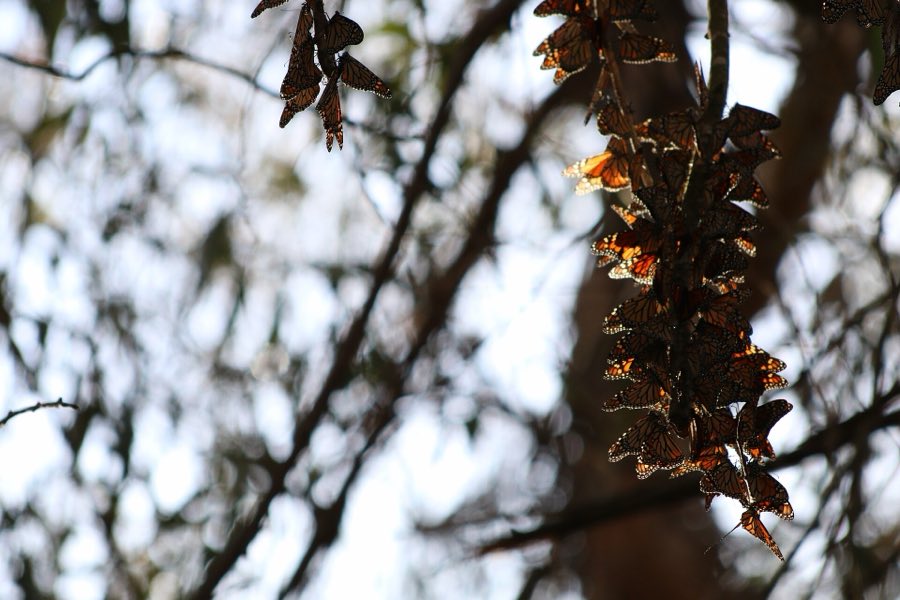
Monarchs west of the Rockies overwinter in coastal California groves rather than in Mexico, and their numbers have fallen far more steeply than the eastern population, from millions in the 1980s to counts in the low tens of thousands in recent years. Narrowleaf and showy milkweed are the two species that matter most for western recovery.
One important regional rule: do not plant milkweed within about five miles of the California coast between Mendocino and Baja. Overwintering monarchs need to stay in reproductive diapause, and milkweed near the groves encourages them to break it and breed in winter instead. Plant nectar plants there instead, and put milkweed inland.
What else eats milkweed
Monarchs are the famous one but the milkweed community is large, and most of it is harmless: milkweed tussock moth caterpillars (hairy, orange and black, gregarious), large and small milkweed bugs, red milkweed beetles, milkweed leaf beetles and swamp milkweed leaf beetles. Queen and soldier butterflies, both close monarch relatives, use the same host plants across the southern states.
None of these need controlling. A milkweed patch stripped by tussock moths in August has already done its monarch work for the year and will return unharmed next spring.
Rearing monarchs indoors: proceed carefully
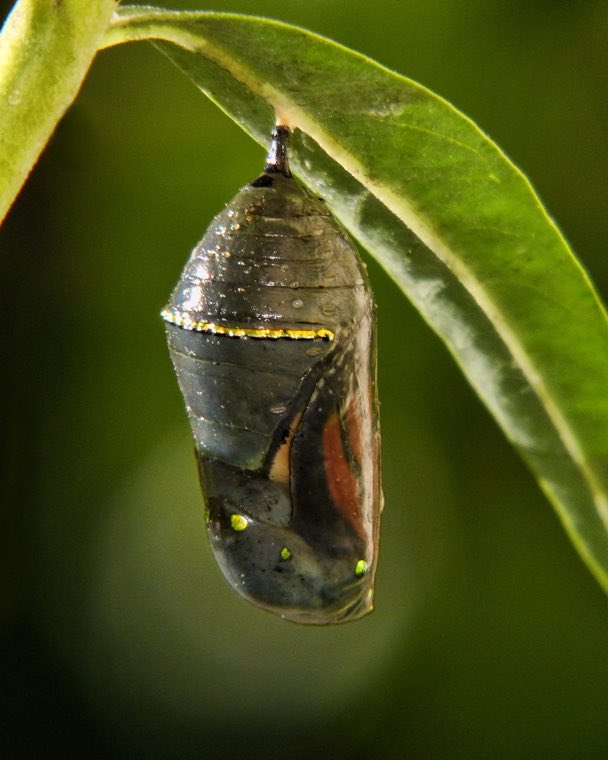
Bringing caterpillars inside is popular and it is not straightforwardly good. Research suggests indoor-reared monarchs can show impaired migratory orientation, and dense rearing spreads the OE parasite quickly. If you do rear:
- Keep numbers small: a handful, not hundreds.
- Sterilise containers between broods with a 20 percent bleach solution.
- Rinse cut milkweed before feeding.
- Release adults within a day of their wings hardening, near where the eggs were found.
- Never move caterpillars or chrysalises between regions.
Leaving eggs on the plant, and simply growing more plants, does more good than rearing.
Frequently asked questions
Do monarchs only eat milkweed?
Monarch caterpillars eat only milkweed and closely related plants in the Asclepiadoideae. Adult butterflies drink nectar from a wide range of flowers, but eggs are laid only on milkweed and larvae will starve rather than eat anything else.
How many milkweed plants do I need for monarchs?
At least ten stems in one place. A single caterpillar eats roughly 20 to 25 large leaves, and females locate dense patches far more easily than scattered plants. Two or three species with staggered bloom times is better than ten of one.
Will planting milkweed attract monarchs to my garden?
Usually yes, if you are within the breeding range and the patch is big enough to be found. It commonly takes a season or two, because plants need to reach a decent size before females start finding them reliably.
Should I bring monarch caterpillars indoors?
Generally no, or only a few. Indoor rearing at scale spreads the OE parasite and there is evidence it impairs migratory navigation. Growing more milkweed and leaving eggs where they were laid helps more.
References
- Agrawal, A. A. (2017). Monarchs and Milkweed: A Migrating Butterfly, a Poisonous Plant, and Their Remarkable Story of Coevolution. Princeton University Press. The standard general account of the milkweed and monarch relationship. View
- Pleasants, J. M. and Oberhauser, K. S. (2013). Milkweed loss in agricultural fields because of herbicide use: effect on the monarch butterfly population. Insect Conservation and Diversity 6(2): 135–144. Quantifies the loss of Midwestern milkweed to herbicide-tolerant cropping. View
- Pleasants, J. M. (2017). Milkweed restoration in the Midwest for monarch butterfly recovery: estimates of milkweed stems needed. Insect Conservation and Diversity 10(1): 42–53. Source of the widely cited 1.6 billion stem restoration target. View
- Malcolm, S. B. (1994). Milkweeds, monarch butterflies and the ecological significance of cardenolides. Chemoecology 5/6: 101–117. How larvae sequester cardenolides and what that buys them. View
- Zalucki, M. P. and Brower, L. P. (1992). Survival of first instar larvae of Danaus plexippus in relation to cardiac glycoside and latex content of Asclepias humistrata. Chemoecology 3: 81–93. Why latex, not toxicity, is the main hazard to a newly hatched caterpillar. View
- Monarch Joint Venture (2026). Monarch conservation resources and monitoring protocols. Monarch Joint Venture, St Paul, Minnesota. Habitat guidance, monitoring methods and regional planting lists. View
Cite this page
This page is licensed CC BY 4.0. Quote it, adapt it and reuse it, including commercially, as long as you credit Milkweed USA and link back.
Milkweed USA. (2026). Milkweed and monarch butterflies. Retrieved DATE, from https://milkweedusa.com/monarchs/
"Milkweed and monarch butterflies." Milkweed USA, 2026, https://milkweedusa.com/monarchs/. Accessed DATE.
Milkweed USA. "Milkweed and monarch butterflies." Last modified 2026-08-01. Accessed DATE. https://milkweedusa.com/monarchs/.
@misc{milkweedusa_monarchs,
  title  = {Milkweed and monarch butterflies},
  author = {{Milkweed USA}},
  year   = {2026},
  url    = {https://milkweedusa.com/monarchs/},
  note   = {Accessed DATE}
}