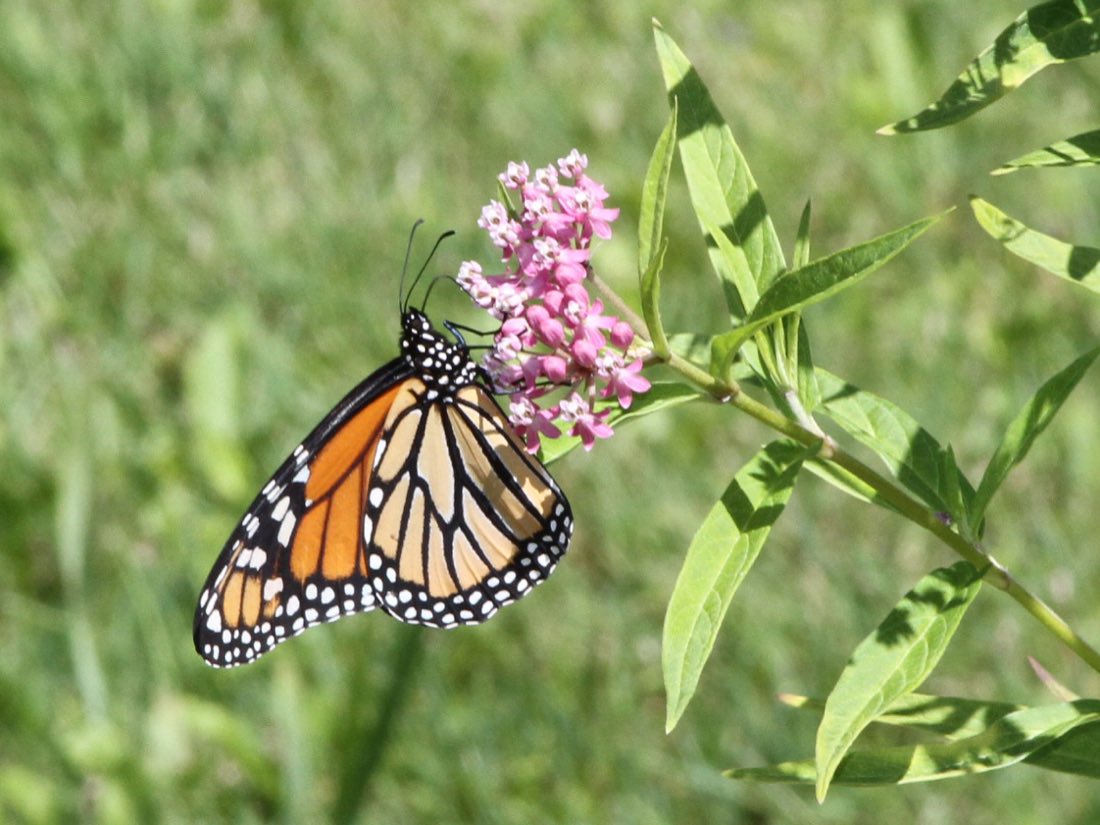
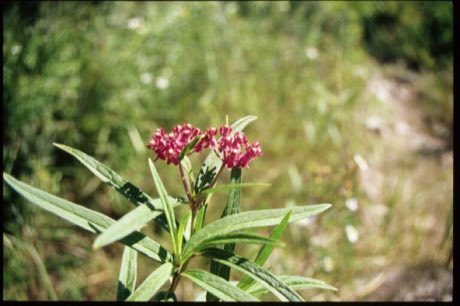
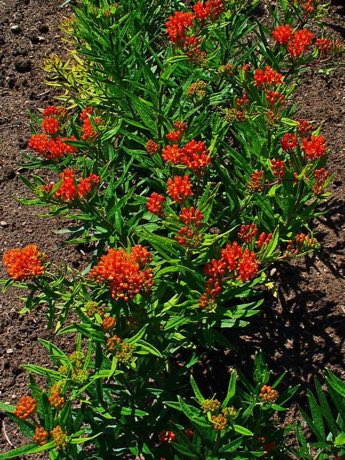
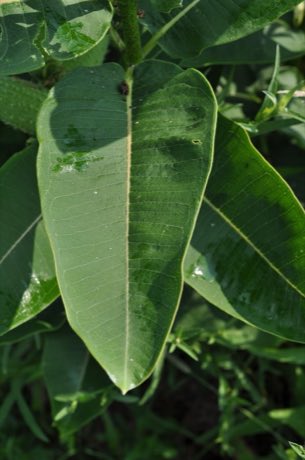
Start with these eight
The species most gardeners should know first: the widely available, widely useful ones, plus the regional workhorses of the West and South.
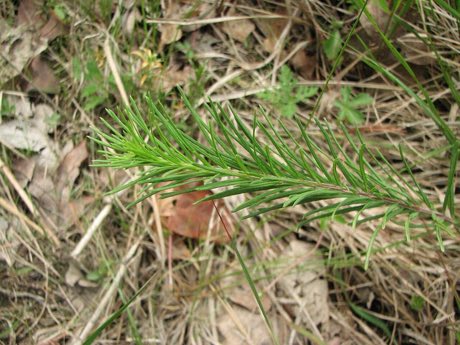
What milkweed is
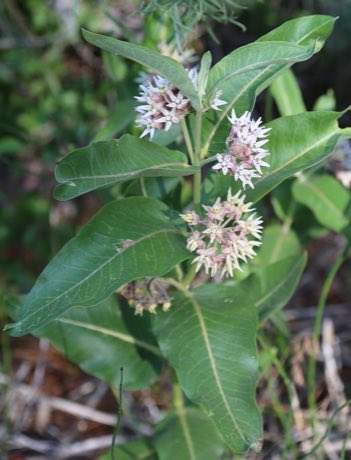
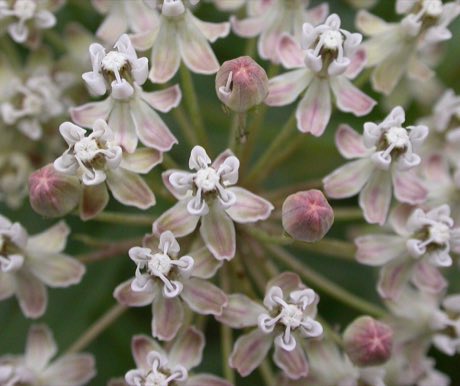
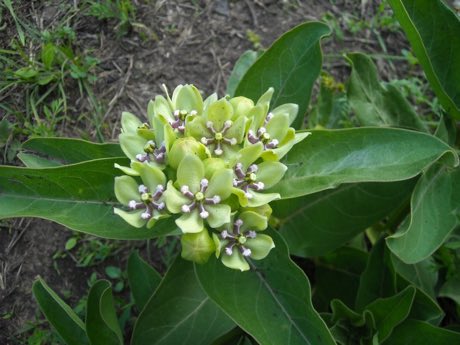
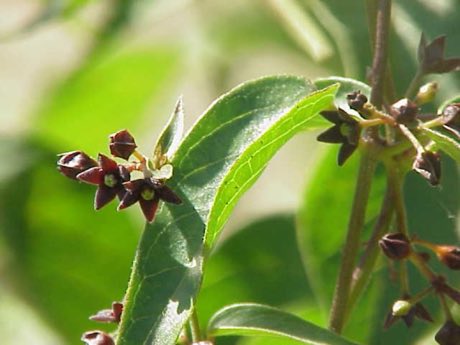
Milkweeds are the roughly 73 North American species of the genus Asclepias, perennial plants named for the thick white latex that bleeds from a broken stem. They are instantly recognizable once you know what to look for: flowers built in two tiers, with five petals bent sharply backward and five hoods forming a crown above them, gathered into umbels where every stalk radiates from a single point.
That strange flower is the result of an equally strange reproductive system. Milkweeds do not shed loose pollen. They package it into waxy saddlebags that clip onto the leg of a visiting insect and are carried whole to the next flower, a mechanism shared only with the orchids, and one so demanding that barely one flower in fifty sets seed.
They are also chemically defended. Cardiac glycosides in the sap disrupt the heart function of most animals that eat them, which is why livestock avoid milkweed and why it deserves respect around horses. One insect turned that defense into an advantage: the monarch butterfly evolved resistance, eats the toxin, stores it, and advertises the fact in orange and black.
Why milkweed matters
Monarch caterpillars eat milkweed and nothing else. Adults will nectar at almost any flower, but a female lays her eggs only on Asclepias, and a larva offered anything else starves. Remove milkweed from a landscape and monarchs disappear from it, which is precisely what happened across the American Midwest as herbicide-tolerant row cropping removed milkweed from tens of millions of acres of field margin.
Overwintering monarch numbers have fallen roughly 80 percent in the East since the 1990s, and the western population, which winters in coastal California groves rather than in Mexico, has fallen further still. Planting the right milkweed, in the right place, is the most direct thing an individual can do about it. The monarch guide explains what "right" means.
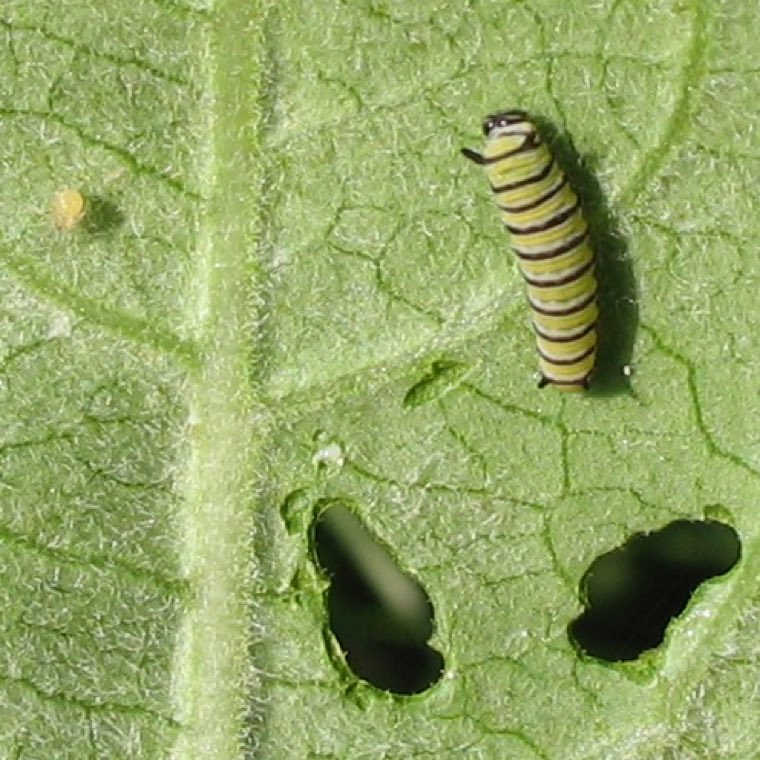
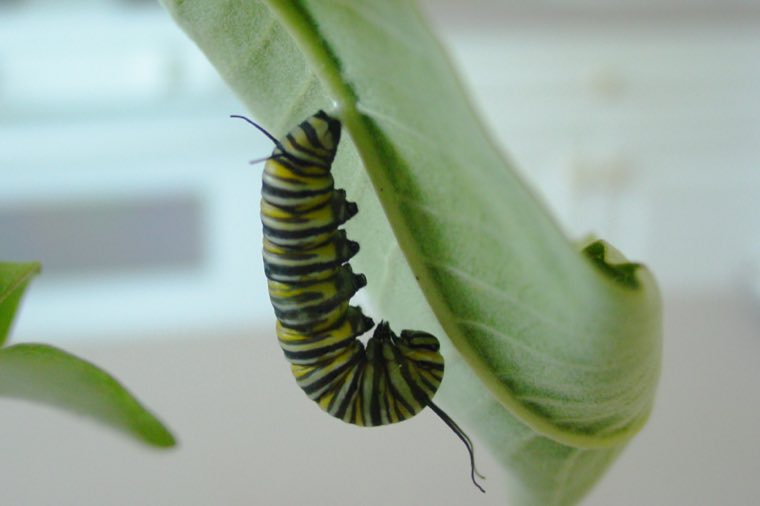
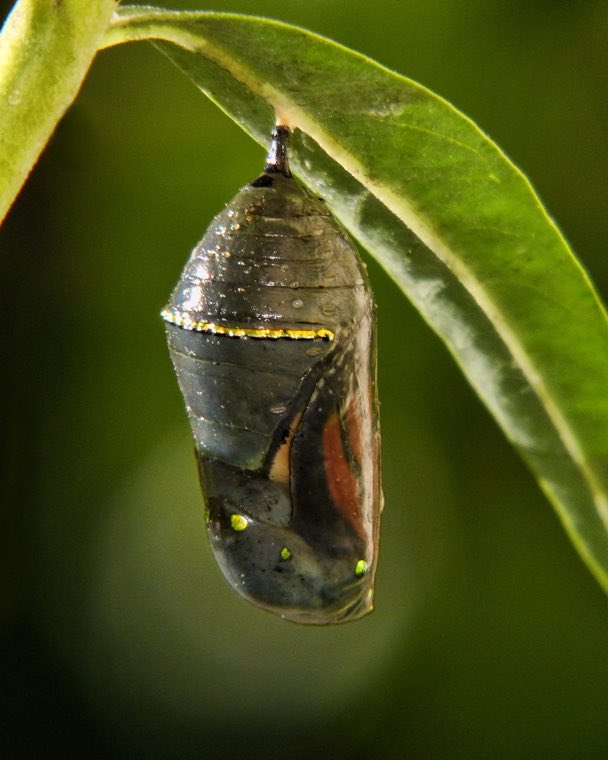
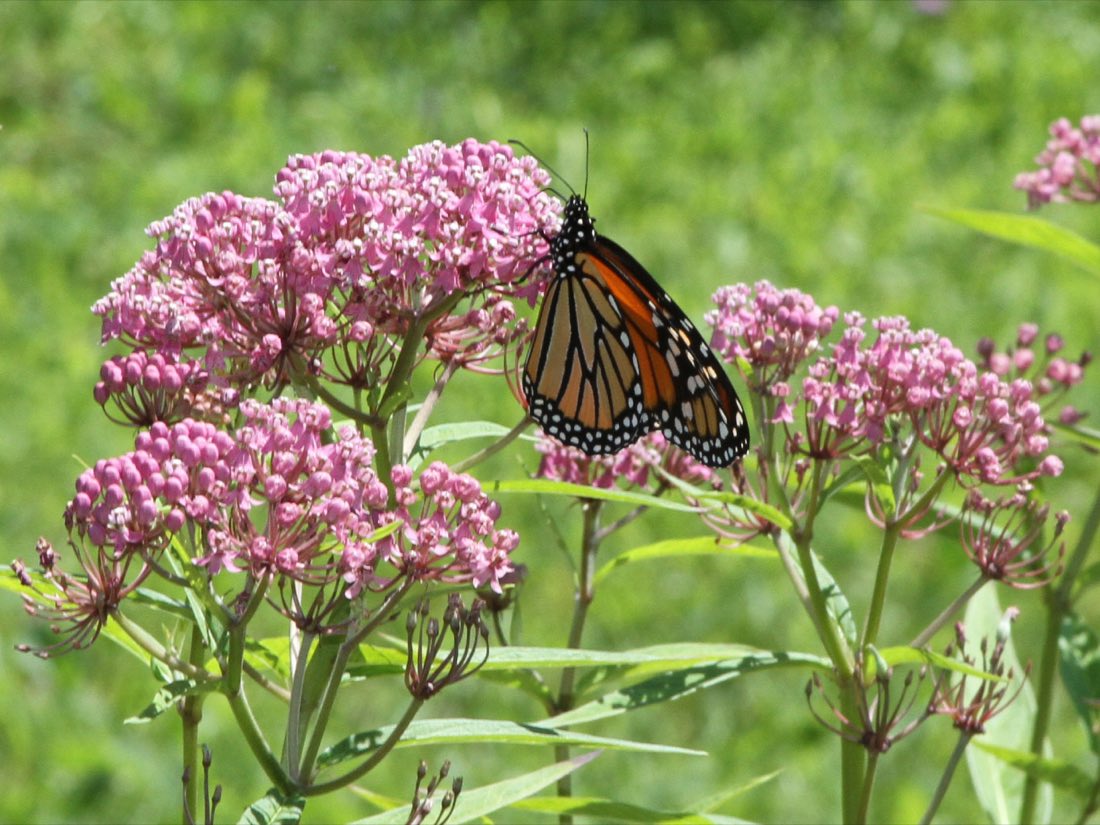
Milkweed is not only a monarch plant. The flowers are among the richest nectar sources in the North American flora, feeding bumble bees, honey bees, large wasps, hummingbird moths and dozens of butterfly species, and each plant supports a specialist community of beetles, bugs and moths that live on nothing else.
How to use this guide
- Identify a plant using the flower structure, sap, leaf arrangement and pod.
- Find what grows near you. Every state has a page listing its species and the best ones to plant.
- Browse the species and filter by state, soil, sun, height, flower color and monarch value.
- Read the growing guides on seed stratification, sowing calendars, pests and what to buy.
Everything here is free, has no advertising, and cites its sources. Range data is generalized to the state level from USDA PLANTS and BONAP; always confirm with a local flora before making management decisions. More about sources and method.
Milkweed by state
Species richness varies enormously. Texas and New Mexico hold more than thirty species each, while Alaska has none at all. Pick a state for its full species list, the best ones to plant there, and a local sowing calendar.