Milkweed in North Dakota
North Dakota produces an outsized share of the eastern monarch population relative to its size, with common and showy milkweed abundant in Conservation Reserve Program grassland and prairie potholes. Oval-leaf milkweed occupies sandy prairie in the eastern counties.
The best milkweed to plant in North Dakota
Native to the state, garden-worthy and useful to monarchs. Start here if you are planting rather than identifying.
All milkweed species in North Dakota
| Species | Height | Flower | Bloom | Soil | Monarch |
|---|---|---|---|---|---|
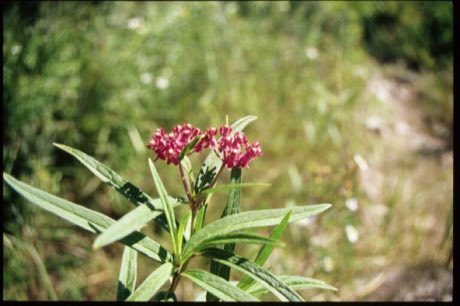
| Swamp Milkweed Asclepias incarnata |
3 ft–5 ft | pink, rose, white | June to September | Wet / Average | |
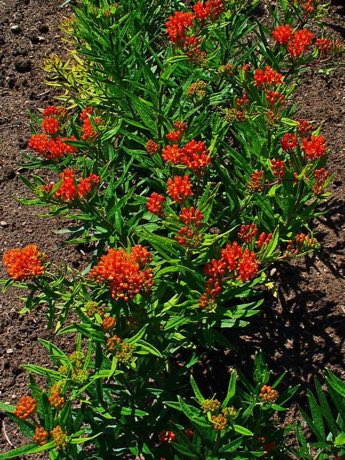
| Butterfly Weed Asclepias tuberosa |
1 ft–3 ft | orange, yellow, red | May to September | Dry / Average | |
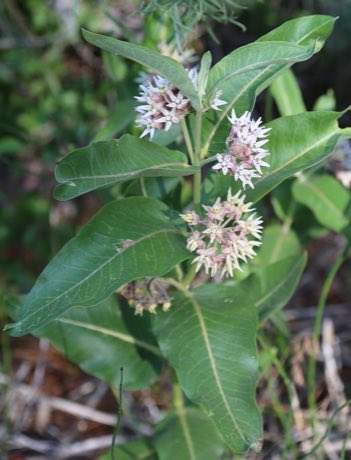
| Showy Milkweed Asclepias speciosa |
2 ft–5 ft | pink, rose | May to August | Average / Dry | |
| Prairie Milkweed Asclepias sullivantii |
2 ft–4 ft | pink, rose | June to July | Average / Wet | |
| Common Milkweed Asclepias syriaca |
3 ft–6 ft | pink, mauve, white | June to August | Dry / Average | |
| Whorled Milkweed Asclepias verticillata |
1 ft–2.5 ft | white, green | June to September | Dry / Average | |
| Oval-leaf Milkweed Asclepias ovalifolia |
8 in–1.7 ft | white, green | June to July | Dry / Average | |
| Green Comet Milkweed Asclepias viridiflora |
1 ft–3 ft | green | May to August | Dry | |
| Plains Milkweed Asclepias pumila |
4 in–1 ft | white, cream | June to September | Dry | |
| Woolly Milkweed Asclepias lanuginosa |
4 in–1 ft | cream, green | May to June | Dry |
Rare or protected in part of this range: Woolly Milkweed. Do not collect seed or plants from wild populations of these species.
Planting milkweed in North Dakota
Sow seed outdoors in October to November. Winter then supplies the cold-moist stratification most milkweed seed needs, and germination happens naturally as the soil warms. If you have missed that window, chill seed in the refrigerator for 30 days and sow after your last frost. The full method is here.
North Dakota spans USDA zones 3a–4b, so check the zone range on each species page before committing. Match the species to your site rather than the other way round: dry, sunny and poor suits butterfly weed and the whorled species; a damp spot suits swamp milkweed; shade suits very few milkweeds at all.
Plant at least ten stems in one group rather than scattering them, because female monarchs find dense patches far more readily. Add late-season nectar such as goldenrod and asters so the fall migratory generation has fuel as well as host plants. How to lay out a monarch garden.
Where to buy milkweed in North Dakota
Start with North Dakota Forest Service seedling program. State native plant societies run the plant sales worth going to: locally grown, untreated stock, at a few dollars a plant, sold by people who can tell you where to put it.
Elsewhere in the great plains
Independent Northern Plains native seed producer.
Family-run prairie seed producer in eastern Nebraska.
Independent Great Plains native seed company.
Ships to you
One of the widest milkweed seed and bare-root ranges anywhere, with germination codes listed for every species.
Long-established independent nursery specializing in Midwestern natives.
Independent seed producer supplying restoration-scale native seed by the pound.
Family-run native seed producer for the eastern and central states.
Family-run Texas seed house focused on regional ecotypes.
These favor independent nurseries and non-profits over chain garden centers, which mostly stock unlabeled tropical milkweed and often cannot tell you whether it has been treated with neonicotinoids. Search the full directory by ZIP code.
Milkweed in North Dakota: common questions
What milkweed is native to North Dakota?
10 milkweed species are recorded in North Dakota, including Swamp Milkweed (Asclepias incarnata), Butterfly Weed (Asclepias tuberosa), Showy Milkweed (Asclepias speciosa), Prairie Milkweed (Asclepias sullivantii). The full list is on this page.
What is the best milkweed to plant in North Dakota?
Swamp Milkweed, Butterfly Weed, Showy Milkweed are the best combination of native, available and garden-worthy for North Dakota. Swamp Milkweed is the easiest to start with.
When should I plant milkweed seed in North Dakota?
Sow outdoors in October to November, so winter provides the cold stratification the seed needs. If you have missed that window, stratify seed in the refrigerator for 30 days and sow in spring after the last frost.
Does milkweed grow wild in North Dakota?
Yes. 10 species occur in North Dakota, typically on roadsides, field margins, prairie remnants and along watercourses. North Dakota produces an outsized share of the eastern monarch population relative to its size, with common and showy milkweed abundant in Conservation Reserve Program grassland and prairie potholes.
Cite this page
This page is licensed CC BY 4.0. Quote it, adapt it and reuse it, including commercially, as long as you credit Milkweed USA and link back.
Milkweed USA. (2026). Milkweed in North Dakota. Retrieved DATE, from https://milkweedusa.com/states/north-dakota/
"Milkweed in North Dakota." Milkweed USA, 2026, https://milkweedusa.com/states/north-dakota/. Accessed DATE.
Milkweed USA. "Milkweed in North Dakota." Last modified 2026-08-01. Accessed DATE. https://milkweedusa.com/states/north-dakota/.
@misc{milkweedusa_statesnorthdakota,
  title  = {Milkweed in North Dakota},
  author = {{Milkweed USA}},
  year   = {2026},
  url    = {https://milkweedusa.com/states/north-dakota/},
  note   = {Accessed DATE}
}